
✓ Updated September 2026
Weather data and travel information verified current
When is the Best Time to Visit Micronesia?
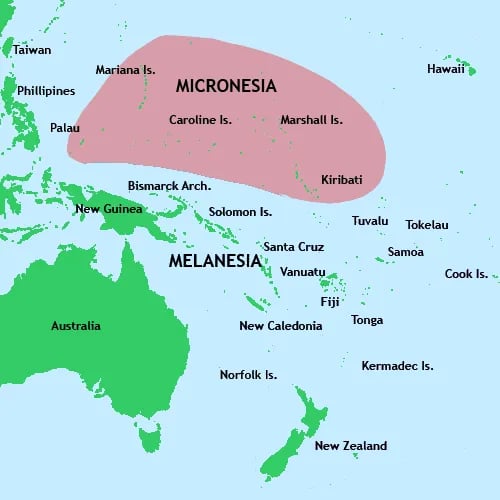
🗺️ Start planning your trip
Discover tours, activities, and experiences in Micronesia
Quick Answer:
For a truly captivating Micronesia experience, aim for the dry season, roughly from December through April. During these months, the skies are often clear, offering brilliant sunshine perfect for exploring the vibrant coral reefs and ancient stone monoliths. Imagine diving into crystal-clear turquoise waters, the morning mist still clinging to lush jungle peaks, with comfortable temperatures that make island hopping a delight. This period generally sees less rainfall, allowing for uninterrupted adventures and the chance to witness breathtaking golden sunsets painting the horizon.
Airport Code
TKK
Coordinates
7.43°, 150.55°
Climate Overview
Micronesia offers a year-round embrace of tropical warmth, where the air is perpetually thick with humidity, carrying the scent of salt and blooming hibiscus. While there isn't a stark 'winter' or 'summer,' the islands experience a distinct wet season from May to November, characterized by dramatic, yet often brief, afternoon downpours that refresh the lush landscape and make the rainforests sing. The dry season, from December to April, brings gentler breezes and clearer skies, ideal for exploring vibrant coral reefs and enjoying the sun-drenched beaches. Expect the occasional typhoon during the transitional months, a powerful reminder of nature's force, but these are often preceded by noticeable weather shifts, allowing for preparation and adding a thrilling element to the island's dynamic climate.
Take this guide with you — download it as a free PDF
Weather, best months, things to do, and travel tips
Planning a Micronesia trip? Explore what's available.
Top Things to Do
Diving the Wreck of the Fujikawa Maru
Descend into the emerald depths of Chuuk Lagoon to explore the hauntingly beautiful Fujikawa Maru, a Japanese freighter sunk during WWII. Schools of fish now inhabit its ghostly decks, and you can still see remnants of its cargo, offering a poignant glimpse into history. Go with a reputable dive operator who knows the currents and can point out the most fascinating details.
Exploring Nan Madol's Ancient City
Wander through the enigmatic stone ruins of Nan Madol on Pohnpei, a sprawling ancient city built on artificial islets. Imagine the lives of the Saudeleur dynasty as you navigate the massive basalt logs and canals, a truly awe-inspiring testament to human ingenuity. Visit during low tide for easier access to more areas and consider hiring a local guide to unlock its secrets.
Kayaking the Mangrove Forests of Yap
Paddle silently through the intricate mangrove tunnels of Yap, a vital ecosystem teeming with marine life. Keep an eye out for juvenile fish, crabs, and a variety of bird species that call this serene environment home. The best time is during the morning when the water is calm and the light filters beautifully through the canopy.
Tasting Local Taro and Breadfruit
Immerse yourself in the heart of Micronesian cuisine by sampling traditional dishes like baked taro and breadfruit, often prepared in an 'umu' (earth oven). These staple foods offer a grounding, authentic taste of the islands' bounty. Seek out local village gatherings or small roadside stands for the most genuine flavors.
💡 Travel Tip: For the best value on hotels during this season, check current rates on Trip.com.
Essential Travel Tips
While credit cards are accepted in larger hotels and resorts, cash is king in most local markets and smaller establishments across Micronesia. It's a good idea to carry enough US dollars (the official currency) for daily expenses, especially if you plan to explore outer islands or eat at local eateries.
Getting around the islands can be an adventure! On Pohnpei, look for 'kama' (local buses) which are often pickup trucks with benches – they're cheap and a great way to see local life. For inter-island travel, be prepared for flights to be somewhat unpredictable; book in advance with Caroline Islands Air and have some flexibility in your schedule.
Respect local customs by dressing modestly when away from the beach or resort, especially when visiting villages or attending local events. It's polite to ask permission before taking photos of people, and a simple 'komor' (thank you) goes a long way in showing your appreciation.
Don't miss out on fresh seafood! Many local restaurants offer delicious grilled fish, often caught that day. Try 'uchu' (taro) and breadfruit, which are staple foods and prepared in various tasty ways – ask for recommendations from your guesthouse or hotel staff.
Pack light, breathable clothing made of natural fibers like cotton or linen, as the humidity can be intense. Include a good quality insect repellent with DEET, reef-safe sunscreen, a wide-brimmed hat, and a reusable water bottle – staying hydrated and protected from the sun and bugs is crucial.
Micronesia is generally very safe, but it's always wise to be aware of your surroundings, especially in more populated areas. Avoid walking alone at night in unfamiliar places, and keep valuables secure. If you're planning on diving or snorkeling, always follow the guidance of your dive operator and be mindful of ocean currents.
Compare live hotel deals in Micronesia from hundreds of booking sites and reserve in a few taps — no booking fees.
We may earn a commission when you book through these links, at no extra cost to you.
💡 Travel Tip: If you're planning your trip, it's worth checking flight prices on Trip.com before you decide.
Find Your Best Month to Visit Micronesia
Pick what matters most to you and we'll rank every month of the year using Micronesia's actual weather data.
- #1MarBest match🌡️ 88°F high🌧️ 10 rainy days🌅 12h daylight
- #2Apr🌡️ 88°F high🌧️ 11 rainy days🌅 12h daylight
- #3May🌡️ 88°F high🌧️ 13 rainy days🌅 12h daylight
- #4Jun🌡️ 88°F high🌧️ 14 rainy days🌅 12h daylight
- #5Jul🌡️ 88°F high🌧️ 15 rainy days🌅 12h daylight
- #6Oct🌡️ 88°F high🌧️ 15 rainy days🌅 11.5h daylight
- #7Feb🌡️ 86°F high🌧️ 10 rainy days🌅 11.5h daylight
- #8Aug🌡️ 88°F high🌧️ 16 rainy days🌅 11.5h daylight
- #9Sep🌡️ 88°F high🌧️ 16 rainy days🌅 11.5h daylight
- #10Jan🌡️ 86°F high🌧️ 12 rainy days🌅 11.5h daylight
- #11Dec🌡️ 86°F high🌧️ 12 rainy days🌅 11.5h daylight
- #12Nov🌡️ 86°F high🌧️ 13 rainy days🌅 11.5h daylight
Weather Details
Monthly Weather Data Table
| Month | High (°C) | Low (°C) | High (°F) | Low (°F) | Rainfall (mm) | Rain Days | Daylight (h) |
|---|---|---|---|---|---|---|---|
| Jan | 30°C | 24°C | 86°F | 75°F | 200mm | 12 days | 11.5h |
| Feb | 30°C | 24°C | 86°F | 75°F | 180mm | 10 days | 11.5h |
| Mar | 31°C | 24°C | 88°F | 75°F | 170mm | 10 days | 12h |
| Apr | 31°C | 25°C | 88°F | 77°F | 190mm | 11 days | 12h |
| May | 31°C | 25°C | 88°F | 77°F | 230mm | 13 days | 12h |
| Jun | 31°C | 25°C | 88°F | 77°F | 270mm | 14 days | 12h |
| Jul | 31°C | 25°C | 88°F | 77°F | 300mm | 15 days | 12h |
| Aug | 31°C | 25°C | 88°F | 77°F | 320mm | 16 days | 11.5h |
| Sep | 31°C | 25°C | 88°F | 77°F | 310mm | 16 days | 11.5h |
| Oct | 31°C | 25°C | 88°F | 77°F | 280mm | 15 days | 11.5h |
| Nov | 30°C | 24°C | 86°F | 75°F | 240mm | 13 days | 11.5h |
| Dec | 30°C | 24°C | 86°F | 75°F | 210mm | 12 days | 11.5h |
Micronesia Month by Month: Complete Guide
Planning your trip to Micronesia? Here's what to expect each month:
Jan in Micronesia
Weather
30°C°C / 86°F°F
12 days rainy days • 200mmmm
What to Expect
Warm and summery, with highs near 30°C — great for beaches and outdoor activities. Expect frequent rain this month — bring waterproof gear.
Crowd Level
🟢 Low - Quiet season, easy to find accommodation
Feb in Micronesia
Weather
30°C°C / 86°F°F
10 days rainy days • 180mmmm
What to Expect
Warm and summery, with highs near 30°C — great for beaches and outdoor activities. Expect frequent rain this month — bring waterproof gear.
Crowd Level
🟢 Low - Quiet season, easy to find accommodation
Mar in Micronesia
Weather
31°C°C / 88°F°F
10 days rainy days • 170mmmm
What to Expect
Warm and summery, with highs near 31°C — great for beaches and outdoor activities. Expect frequent rain this month — bring waterproof gear. It's the driest month of the year here.
Crowd Level
🟢 Low - Quiet season, easy to find accommodation
Apr in Micronesia
Weather
31°C°C / 88°F°F
11 days rainy days • 190mmmm
What to Expect
Warm and summery, with highs near 31°C — great for beaches and outdoor activities. Expect frequent rain this month — bring waterproof gear.
Crowd Level
🟡 Moderate - Comfortable crowds, good availability
May in Micronesia
Weather
31°C°C / 88°F°F
13 days rainy days • 230mmmm
What to Expect
Warm and summery, with highs near 31°C — great for beaches and outdoor activities. Expect frequent rain this month — bring waterproof gear.
Crowd Level
🟡 Moderate - Comfortable crowds, good availability
Jun in Micronesia
Weather
31°C°C / 88°F°F
14 days rainy days • 270mmmm
What to Expect
Warm and summery, with highs near 31°C — great for beaches and outdoor activities. Expect frequent rain this month — bring waterproof gear.
Crowd Level
🔴 High - Peak tourist season, book early
Jul in Micronesia
Weather
31°C°C / 88°F°F
15 days rainy days • 300mmmm
What to Expect
Warm and summery, with highs near 31°C — great for beaches and outdoor activities. Expect frequent rain this month — bring waterproof gear.
Crowd Level
🔴 High - Peak tourist season, book early
Aug in Micronesia
Weather
31°C°C / 88°F°F
16 days rainy days • 320mmmm
What to Expect
Warm and summery, with highs near 31°C — great for beaches and outdoor activities. Expect frequent rain this month — bring waterproof gear. It also brings the most rain of any month here.
Crowd Level
🔴 High - Peak tourist season, book early
Sep in Micronesia
Weather
31°C°C / 88°F°F
16 days rainy days • 310mmmm
What to Expect
Warm and summery, with highs near 31°C — great for beaches and outdoor activities. Expect frequent rain this month — bring waterproof gear.
Crowd Level
🟡 Moderate - Comfortable crowds, good availability
Oct in Micronesia
Weather
31°C°C / 88°F°F
15 days rainy days • 280mmmm
What to Expect
Warm and summery, with highs near 31°C — great for beaches and outdoor activities. Expect frequent rain this month — bring waterproof gear.
Crowd Level
🟡 Moderate - Comfortable crowds, good availability
Nov in Micronesia
Weather
30°C°C / 86°F°F
13 days rainy days • 240mmmm
What to Expect
Warm and summery, with highs near 30°C — great for beaches and outdoor activities. Expect frequent rain this month — bring waterproof gear.
Crowd Level
🟢 Low - Quiet season, easy to find accommodation
Dec in Micronesia
Weather
30°C°C / 86°F°F
12 days rainy days • 210mmmm
What to Expect
Warm and summery, with highs near 30°C — great for beaches and outdoor activities. Expect frequent rain this month — bring waterproof gear.
Crowd Level
🔴 High - Peak tourist season, book early
All Things to Do in Micronesia
Diving the Wreck of the Fujikawa Maru
activityDescend into the emerald depths of Chuuk Lagoon to explore the hauntingly beautiful Fujikawa Maru, a Japanese freighter sunk during WWII. Schools of fish now inhabit its ghostly decks, and you can still see remnants of its cargo, offering a poignant glimpse into history. Go with a reputable dive operator who knows the currents and can point out the most fascinating details.
Best time: December-April
Exploring Nan Madol's Ancient City
attractionWander through the enigmatic stone ruins of Nan Madol on Pohnpei, a sprawling ancient city built on artificial islets. Imagine the lives of the Saudeleur dynasty as you navigate the massive basalt logs and canals, a truly awe-inspiring testament to human ingenuity. Visit during low tide for easier access to more areas and consider hiring a local guide to unlock its secrets.
Kayaking the Mangrove Forests of Yap
naturePaddle silently through the intricate mangrove tunnels of Yap, a vital ecosystem teeming with marine life. Keep an eye out for juvenile fish, crabs, and a variety of bird species that call this serene environment home. The best time is during the morning when the water is calm and the light filters beautifully through the canopy.
Tasting Local Taro and Breadfruit
foodImmerse yourself in the heart of Micronesian cuisine by sampling traditional dishes like baked taro and breadfruit, often prepared in an 'umu' (earth oven). These staple foods offer a grounding, authentic taste of the islands' bounty. Seek out local village gatherings or small roadside stands for the most genuine flavors.
Witnessing the Traditional Men's Houses of Yap
culturalExperience the unique cultural heritage of Yap by observing their iconic 'faluw' (men's houses), traditional structures built with stone and wood. These are not just buildings but symbols of social structure and community. Respectfully observe from a distance unless invited closer, and consider visiting during a cultural festival for a more immersive experience.
Snorkeling with Manta Rays at Orol
activityEmbark on a boat trip to Orol in Palau, a renowned spot for encountering majestic manta rays gracefully gliding through the water. Witnessing these gentle giants in their natural habitat is an unforgettable spectacle. The best visibility is often after a period of rain, and always maintain a respectful distance.
Best time: March-May
Browsing Handicrafts at the Local Market
shoppingDiscover intricate shell jewelry, woven mats, and carved wooden figures at a local market, perhaps in Hagåtña, Guam (though technically US territory, it's a gateway and culturally connected). These handcrafted items are perfect souvenirs that support local artisans and offer a tangible piece of Micronesian artistry. Look for unique patterns and ask about the stories behind the crafts.
Planning your Micronesia adventure? Enhance it with a customizable private tour guide via GoWithGuide—perfect for exploring beyond the city.
Getting Around Micronesia
Inter-Island Flights (Caroline Islands Air)
This is the primary way to hop between the major island groups like Pohnpei, Chuuk, Yap, and the Marshall Islands. Flights are infrequent and schedules can change, so flexibility is key.
Local Boats and Outrigger Canoes
For shorter distances within an atoll or to nearby islands, local boats are essential. These range from small, privately owned outrigger canoes to larger, shared motorboats.
Taxis (Paved Islands)
On the larger, more developed islands like Pohnpei and Saipan (though Saipan is technically Northern Mariana Islands, it's often grouped in travel discussions), taxis are available. They are the most convenient option for getting around towns and to specific attractions.
Rental Cars (Limited Availability)
Rental cars are only practical on the main islands like Pohnpei and Saipan. Roads can be poorly maintained, and navigation can be challenging outside of major towns.
Walking and Biking
In smaller villages and on flatter islands, walking and biking are excellent ways to experience the local pace of life. This is best suited for exploring specific areas rather than covering long distances.
💡 Travel Tip: This season usually means better deals — check what's available on Trip.com.
Planning a trip to Micronesia? Grab a guidebook.
Browse Lonely Planet, Fodor's, Rick Steves, and more on Amazon — packed with maps, itineraries, and local tips.
As an Amazon Associate, we earn from qualifying purchases.
Similar Destinations
Compare Micronesia With
Frequently Asked Questions
When is the absolute best time to visit Micronesia for diving, and what should I know about the conditions?
Honestly, the dry season from December to April is your sweet spot for diving in Micronesia, especially if you're heading to Chuuk Lagoon. You'll find calmer seas and better visibility, which is crucial for exploring those incredible WWII wrecks. Just remember, even in the dry season, occasional squalls can pop up, so always check the local forecast and listen to your dive operator.
Beyond the famous dive sites, are there any less-crowded islands or experiences worth seeking out in Micronesia?
Absolutely! While Yap is known for its stone money and manta rays, consider venturing to the outer islands of Pohnpei, like Ant Atoll. It's a pristine marine sanctuary with incredible biodiversity and a much more remote feel. You'll need to arrange a boat trip, but the chance to see untouched coral reefs and abundant marine life is unparalleled.
What's the deal with currency and tipping in Micronesia? Should I bring cash?
You'll definitely want to bring plenty of US dollars in cash, as ATMs are scarce and credit card acceptance is limited, especially on the outer islands. While tipping isn't a deeply ingrained custom like in some other tourist destinations, it's always appreciated for exceptional service, particularly from dive guides or boat crews who often work hard to ensure you have an amazing experience.
I'm interested in understanding the local culture. Are there any specific customs I should be aware of when visiting villages or interacting with locals?
Respect is key. When visiting villages, especially on islands like Pohnpei or Yap, it's customary to dress modestly – cover your shoulders and knees. Always ask permission before taking photos of people, and if you're invited into someone's home, it's polite to bring a small gift, like some fruit or snacks. Showing genuine interest in their way of life goes a long way.
Getting around Micronesia seems challenging. What's the most practical way to travel between the different island states?
For inter-island travel between the major states (Yap, Chuuk, Pohnpei, and Kosrae), your primary option will be the island-hopper flights operated by United Airlines. Book these well in advance, as schedules can be infrequent and seats fill up quickly. For shorter distances within an island state, taxis are usually available in the main towns, but on more remote islands, you might be relying on local boats or walking.
What's the best way to experience the unique cultural heritage of Yap, beyond just seeing the stone money?
To truly grasp Yapese culture, try to arrange a visit to a traditional village and perhaps witness a 'dance' performance. Engaging with a local guide is invaluable; they can explain the significance of the stone money (Rai), the intricate tattoos, and the social structures. Remember, the stone money is still considered valuable property, so admire it respectfully from a distance unless explicitly invited to get closer.
What is the cheapest month to visit Micronesia?
Micronesia is generally cheapest to visit during its quieter off-season, around Aug and Sep. Hotel and flight prices tend to be lower then and there are fewer crowds; the trade-off is less reliable weather. Exactly how much you save depends on the destination and how far ahead you book, so staying flexible with your dates helps you find the best rates.
What should I avoid in Micronesia?
The main thing to plan around is the weather: Aug and Sep are usually the least comfortable months to visit Micronesia — Aug in particular brings heavy rainfall, so it's worth avoiding if you can be flexible with your dates.
Is Micronesia expensive to visit?
Costs in Micronesia vary a lot with your travel style and when you go, with the quieter Aug period usually offering the best value. Booking accommodation and activities ahead, travelling outside the busiest months, and comparing prices across booking sites are the most reliable ways to keep your trip affordable.
What is Micronesia famous for?
Micronesia is famous for Kayaking the Mangrove Forests of Yap, Witnessing the Traditional Men's Houses of Yap, and Exploring Nan Madol's Ancient City. Paddle silently through the intricate mangrove tunnels of Yap, a vital ecosystem teeming with marine life. Keep an eye out for juvenile fish, crabs, and a variety of bird species that call this serene environment home. The best time is during the morning when the water is calm and the light filters beautifully through the canopy.
When you're ready to book Micronesia
Compare prices across top travel sites to find the best deal.
Never Miss the Best Time to Visit Micronesia
Get the best travel timing tips delivered to your inbox:
Plan Your Micronesia Trip
Great weather, fewer crowds — shoulder season is a smart time to visit. Check availability now.
Tip: Booking through these links may earn us a small commission at no extra cost to you, helping support this site's free content!