
✓ Updated March 2026
Weather data and travel information verified current
Best Time to Visit Death Valley National Park, USA: Jan or Feb 2026
Quick Answer:
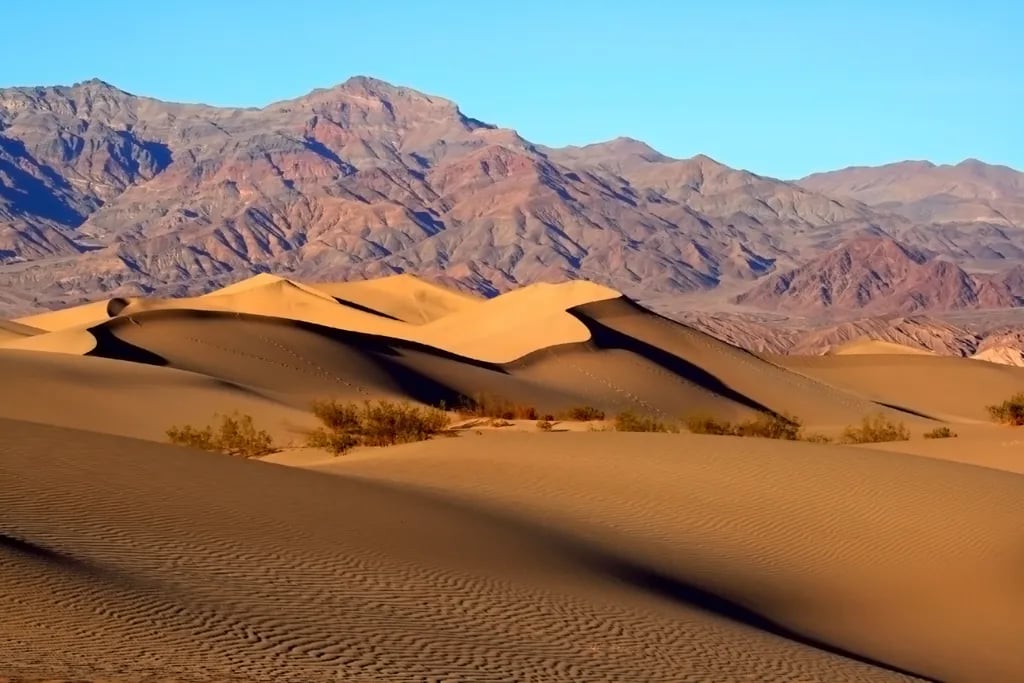
For a truly breathtaking experience in Death Valley National Park, aim for the cooler months between October and April. During this time, the desert air is crisp and invigorating, perfect for exploring the vast, stunning landscapes without the extreme heat. Imagine witnessing golden sunsets paint the Zabriskie Point badlands in fiery hues, or feeling the cool morning mist rise from Badwater Basin. The winter months offer a unique serenity, with clear skies ideal for stargazing, while early spring can bring a rare, stunning display of wildflowers after good rains, transforming the arid terrain into a vibrant tapestry.
Best Months to Visit:
Airport Code
LAS
Coordinates
36.49°, -116.98°
Know when to go? Lock in your Death Valley National Park, USA trip now.

One Travel Essential Almost Everyone Forgets
NEWVANGA Universal USB-C Travel Adapter (All-in-One)
Compact all-in-one adapter with US, UK, EU and AU plugs plus fast USB charging, so you can charge your phone and laptop in 150+ countries without hunting for the right plug.
As an Amazon Associate, we earn from qualifying purchases.
Top Things to Do
Sunrise Symphony at Zabriskie Point
Witness the badlands of Zabriskie Point ignite with color as the sun crests the horizon, painting the sculpted earth in hues of ochre, rose, and gold. This iconic viewpoint offers a dramatic introduction to Death Valley's stark beauty, best enjoyed with a warm thermos of coffee as the desert awakens.
Stargazing Serenity at Mesquite Flat Sand Dunes
Escape the light pollution and immerse yourself in the celestial spectacle above the Mesquite Flat Sand Dunes. The vast, undulating sands create an otherworldly landscape perfect for a moonlit stroll or simply lying back and marveling at the Milky Way stretching across the inky black sky.
Ghost Town Echoes of Rhyolite
Step back in time at the remarkably preserved ghost town of Rhyolite, a former gold rush boomtown. Explore the skeletal remains of the bank, jail, and opera house, and seek out the Bottle House, a unique structure built entirely from glass bottles, imagining the lives once lived here.
Badwater Basin's Salt-Crusted Solitude
Walk upon the lowest point in North America at Badwater Basin, a surreal expanse of salt flats stretching towards the distant mountains. Look for the 'Sea Level' sign perched high on the canyon wall and feel the immense scale of this ancient lakebed, especially magical during the cooler months.
💡 Travel Tip: For the best value on hotels during this season, check current rates on Trip.com.
Essential Travel Tips
Hydration is non-negotiable here. Seriously, pack more water than you think you'll need – at least a gallon per person per day. Carry electrolyte tablets or powders too, as you'll be sweating out essential minerals faster than you realize, especially during hikes.
A high-clearance, 4WD vehicle is highly recommended if you plan on exploring any of the unpaved roads, like those leading to Saline Valley or Titus Canyon. Even if you don't plan on off-roading, a reliable car is crucial as services are scarce and breakdowns can be serious.
Fill up your gas tank *before* entering the park, and keep it topped off. Gas stations inside Death Valley are few and far between, and prices are significantly inflated. Consider purchasing a park pass online in advance to save time at the entrance station.
Sun protection is paramount. Bring a wide-brimmed hat, sunglasses, and high SPF sunscreen. Long-sleeved, light-colored clothing will also help protect your skin from the intense desert sun, and trust me, you'll be grateful for it during midday explorations.
Pack a cooler with plenty of snacks and meals. While there are a few lodges with restaurants, options are limited and can be pricey. Think sandwiches, fruit, trail mix, and jerky – easy-to-eat items that don't require refrigeration for short hikes.
Respect the delicate desert ecosystem. Stay on marked trails to avoid damaging fragile cryptobiotic soil crusts, which are vital to the desert's survival. Also, be mindful of the park's dark sky designation; avoid using bright lights unnecessarily at night to preserve the incredible stargazing experience.
💡 Travel Tip: If you're planning your trip, it's worth checking flight prices on Trip.com before you decide.
Weather Details
Monthly Weather Data Table
| Month | High (°C) | Low (°C) | High (°F) | Low (°F) | Rainfall (mm) | Rain Days | Daylight (h) |
|---|---|---|---|---|---|---|---|
| Jan | 18°C | 4°C | 64°F | 39°F | 5mm | 2 days | 10.2h |
| Feb | 22°C | 7°C | 72°F | 45°F | 5mm | 2 days | 11.1h |
| Mar | 27°C | 11°C | 81°F | 52°F | 5mm | 2 days | 12h |
| Apr | 32°C | 15°C | 90°F | 59°F | 3mm | 1 day | 13h |
| May | 38°C | 20°C | 100°F | 68°F | 3mm | 1 day | 13.9h |
| Jun | 44°C | 25°C | 111°F | 77°F | 1mm | 0 days | 14.4h |
| Jul | 46°C | 28°C | 115°F | 82°F | 2mm | 1 day | 14.3h |
| Aug | 45°C | 27°C | 113°F | 81°F | 2mm | 1 day | 13.6h |
| Sep | 40°C | 22°C | 104°F | 72°F | 3mm | 1 day | 12.6h |
| Oct | 32°C | 15°C | 90°F | 59°F | 5mm | 2 days | 11.6h |
| Nov | 24°C | 7°C | 75°F | 45°F | 5mm | 2 days | 10.5h |
| Dec | 17°C | 3°C | 63°F | 37°F | 5mm | 2 days | 9.9h |
Death Valley National Park, USA Month by Month: Complete Guide
Planning your trip to Death Valley National Park, USA? Here's what to expect each month:
Jan in Death Valley National Park, USA
⭐ Best TimeWeather
18°C°C / 64°F°F
2 days rainy days • 5mmmm
What to Expect
Winter season with cooler temperatures. Fewer tourists but some attractions may have limited hours.
Crowd Level
🟢 Low - Quiet season, easy to find accommodation
Feb in Death Valley National Park, USA
⭐ Best TimeWeather
22°C°C / 72°F°F
2 days rainy days • 5mmmm
What to Expect
Late winter, beginning to warm up. Good for budget travelers seeking lower prices.
Crowd Level
🟢 Low - Quiet season, easy to find accommodation
Mar in Death Valley National Park, USA
⭐ Best TimeWeather
27°C°C / 81°F°F
2 days rainy days • 5mmmm
What to Expect
Spring begins, mild weather. Shoulder season with moderate crowds.
Crowd Level
🟢 Low - Quiet season, easy to find accommodation
Apr in Death Valley National Park, USA
Weather
32°C°C / 90°F°F
1 day rainy days • 3mmmm
What to Expect
Spring in full bloom. Pleasant temperatures and growing tourist activity.
Crowd Level
🟡 Moderate - Comfortable crowds, good availability
May in Death Valley National Park, USA
Weather
38°C°C / 100°F°F
1 day rainy days • 3mmmm
What to Expect
Late spring, excellent weather. One of the best times to visit for most travelers.
Crowd Level
🟡 Moderate - Comfortable crowds, good availability
Jun in Death Valley National Park, USA
Weather
44°C°C / 111°F°F
0 days rainy days • 1mmmm
What to Expect
Early summer, warm and sunny. Peak season begins, book accommodations early.
Crowd Level
🔴 High - Peak tourist season, book early
Jul in Death Valley National Park, USA
Weather
46°C°C / 115°F°F
1 day rainy days • 2mmmm
What to Expect
Peak summer season. Hot weather and highest tourist crowds. Most expensive time.
Crowd Level
🔴 High - Peak tourist season, book early
Aug in Death Valley National Park, USA
Weather
45°C°C / 113°F°F
1 day rainy days • 2mmmm
What to Expect
Peak summer continues. Very crowded but great weather for outdoor activities.
Crowd Level
🔴 High - Peak tourist season, book early
Sep in Death Valley National Park, USA
Weather
40°C°C / 104°F°F
1 day rainy days • 3mmmm
What to Expect
Early fall, shoulder season. Weather still good, crowds decreasing. Great value.
Crowd Level
🟡 Moderate - Comfortable crowds, good availability
Oct in Death Valley National Park, USA
Weather
32°C°C / 90°F°F
2 days rainy days • 5mmmm
What to Expect
Fall season, mild temperatures. Lower crowds and good prices. Comfortable for sightseeing.
Crowd Level
🟡 Moderate - Comfortable crowds, good availability
Nov in Death Valley National Park, USA
⭐ Best TimeWeather
24°C°C / 75°F°F
2 days rainy days • 5mmmm
What to Expect
Late fall, cooler weather. Off-season begins, significant discounts available.
Crowd Level
🟢 Low - Quiet season, easy to find accommodation
Dec in Death Valley National Park, USA
⭐ Best TimeWeather
17°C°C / 63°F°F
2 days rainy days • 5mmmm
What to Expect
Winter season, holiday atmosphere. Festive but can be cold. Mixed crowds.
Crowd Level
🔴 High - Peak tourist season, book early
All Things to Do in Death Valley National Park, USA
Sunrise Symphony at Zabriskie Point
attractionWitness the badlands of Zabriskie Point ignite with color as the sun crests the horizon, painting the sculpted earth in hues of ochre, rose, and gold. This iconic viewpoint offers a dramatic introduction to Death Valley's stark beauty, best enjoyed with a warm thermos of coffee as the desert awakens.
Best time: Oct-Apr
Stargazing Serenity at Mesquite Flat Sand Dunes
natureEscape the light pollution and immerse yourself in the celestial spectacle above the Mesquite Flat Sand Dunes. The vast, undulating sands create an otherworldly landscape perfect for a moonlit stroll or simply lying back and marveling at the Milky Way stretching across the inky black sky.
Best time: Oct-Apr
Ghost Town Echoes of Rhyolite
culturalStep back in time at the remarkably preserved ghost town of Rhyolite, a former gold rush boomtown. Explore the skeletal remains of the bank, jail, and opera house, and seek out the Bottle House, a unique structure built entirely from glass bottles, imagining the lives once lived here.
Badwater Basin's Salt-Crusted Solitude
attractionWalk upon the lowest point in North America at Badwater Basin, a surreal expanse of salt flats stretching towards the distant mountains. Look for the 'Sea Level' sign perched high on the canyon wall and feel the immense scale of this ancient lakebed, especially magical during the cooler months.
Best time: Oct-Apr
Artist's Palette's Painted Hills
natureDrive the scenic Artist's Drive and be mesmerized by the Artist's Palette, a vibrant display of mineral-stained hillsides. The colors, ranging from deep reds and purples to greens and yellows, are most vivid after a light rain or during the softer light of late afternoon.
Best time: Oct-Apr
Hike to Darwin Falls' Hidden Oasis
activityVenture off the beaten path to discover the surprising oasis of Darwin Falls, a rare desert waterfall cascading into lush pools. This moderate hike offers a refreshing contrast to the arid landscape, and the sound of trickling water is a welcome reward.
Best time: Oct-May
Furnace Creek Ranch's Oasis Dining
foodWhile dining options are scarce, the historic Furnace Creek Ranch offers a surprisingly pleasant meal under the desert stars. Enjoy a casual dinner at the Wrangler Steakhouse, savoring hearty fare after a day of exploration, and keep an eye out for the resident roadrunners.
Planning your Death Valley National Park, USA adventure? Enhance it with a customizable private tour guide via GoWithGuide—perfect for exploring beyond the city.
One Travel Essential Almost Everyone Forgets
NEWVANGA Universal USB-C Travel Adapter (All-in-One)
Compact all-in-one adapter with US, UK, EU and AU plugs plus fast USB charging, so you can charge your phone and laptop in 150+ countries without hunting for the right plug.
As an Amazon Associate, we earn from qualifying purchases.
Getting Around Death Valley National Park, USA
Personal Vehicle (Rental Car)
This is by far the most common and recommended way to explore Death Valley. Renting a car gives you the freedom to stop at viewpoints, explore unpaved roads (with the right vehicle), and set your own pace. It's essential for accessing most of the park's iconic locations.
Guided Bus Tours
Several tour operators offer day trips or multi-day excursions into Death Valley from Las Vegas or other nearby cities. These tours are convenient if you don't want to drive or are looking for a structured experience with a guide.
Private Guided Tours / Excursions
For a more personalized and in-depth experience, consider hiring a private guide or booking a private excursion. This allows for custom itineraries, access to less-visited areas, and expert local knowledge.
Bicycle (for the very fit and prepared)
While not a practical primary mode of transport for most, cycling can be an option for extremely fit and well-prepared individuals for short distances or specific routes within the park.
Motorcycle
Motorcycles offer a sense of freedom and can be a good option for experiencing the open roads of Death Valley, especially for those who enjoy scenic rides.
💡 Travel Tip: This season usually means better deals — check what's available on Trip.com.
Similar Destinations
Compare Death Valley National Park, USA With
Frequently Asked Questions
When is the absolute best time to visit Death Valley, and why is it so crucial?
Hands down, aim for November through March. The summer months here are brutally hot, with temperatures regularly exceeding 120°F (49°C), making even short walks dangerous. Visiting in the cooler season allows you to comfortably explore the vast landscapes, hike trails, and truly appreciate the park's stark beauty without risking heatstroke.
I'm driving into Death Valley. What are the absolute must-knows about gas and services?
This is critical: fill up your gas tank *before* you enter the park, and then again whenever you see a station, as they are few and far between and can be very expensive. The Furnace Creek area has services, but options are limited. Always carry more water than you think you'll need, and let someone know your itinerary – cell service is practically non-existent in most areas.
Beyond Zabriskie Point and Badwater Basin, what's a lesser-known spot that blew you away?
You absolutely must seek out Artist's Drive and Artist's Palette. It's a one-way scenic loop that winds through colorful hills, showcasing vibrant mineral deposits that look like an artist's palette. Go in the late afternoon for the best light; the colors really pop as the sun starts to dip.
What's the deal with the 'Death Valley' name? Is it really that dangerous?
The name comes from a group of pioneers who got lost here in the winter of 1849-50. While it's certainly a harsh environment, 'dangerous' is relative to your preparedness. Respect the heat, carry ample water, stay on marked roads, and understand the park's extreme conditions, and you'll have an incredible, safe experience. It's more about respecting nature's power than inherent danger.
Are there any unique local experiences or 'customs' I should be aware of in Death Valley?
The main 'custom' is self-reliance and respecting the silence. Cell service is virtually non-existent, so download offline maps and be prepared to disconnect. Also, pack out *everything* you pack in – leave no trace is paramount here. The park is vast and fragile, and preserving its pristine state is everyone's responsibility.
I'm visiting in late spring. Is it still worth it, or should I postpone?
Late spring can be pushing it, but it's still doable if you're smart. Focus your activities on early mornings and late afternoons, and stick to shaded areas or scenic drives during the peak heat of the day. Consider visiting higher elevations within the park, like Dante's View, where it's generally a few degrees cooler. Just be extra vigilant with hydration and sun protection.
What is the cheapest month to visit Death Valley National Park, USA?
The cheapest months to visit Death Valley National Park, USA are typically May and Jun during the off-season. You can save 30-40% on hotels and flights compared to peak summer months. While weather may not be ideal, you'll enjoy fewer crowds and significant savings.
How many days do you need in Death Valley National Park, USA?
We recommend spending 3-5 days in Death Valley National Park, USA to see the main attractions without feeling rushed. This gives you time to explore the top sights, experience local culture, and take a day trip if desired. Budget travelers might do 2-3 days, while those wanting a deeper experience should plan for a week.
What should I avoid in Death Valley National Park, USA?
Avoid visiting Death Valley National Park, USA during May if possible, when weather conditions are less favorable. Also, be cautious of tourist traps in heavily visited areas - research attractions beforehand and consider booking skip-the-line tickets for popular sites.
Is Death Valley National Park, USA expensive to visit?
Death Valley National Park, USA can be enjoyed on various budgets. Daily costs typically range from $50-80 for budget travelers, $100-200 for mid-range visitors, and $250+ for luxury experiences. Prices are highest during Jan and lowest during off-season months. Book accommodations early to secure better rates.
What is Death Valley National Park, USA famous for?
Death Valley National Park, USA is famous for its unique attractions, rich culture, and memorable experiences. The destination is best known for its architectural landmarks, local cuisine, and vibrant atmosphere. Visit during Jan or Feb for the best experience.
Ready to book Death Valley National Park, USA?
Compare prices across top travel sites to find the best deal.
Get Travel Tips for Death Valley National Park, USA
Get the best travel timing tips delivered to your inbox:
Ready to Plan Your Trip?
Explore accommodation options on Booking.com or find amazing tours and activities with Tiqets.
Tip: Booking through these links may earn us a small commission at no extra cost to you, helping support this site's free content!