Planning Your Madagascar Adventure: The Best Times to Visit
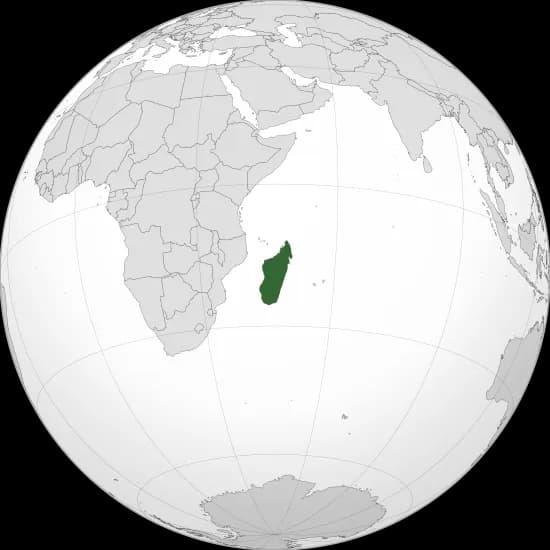
Madagascar, the 'eighth continent', beckons with its unique biodiversity and ancient landscapes. Deciding on the best time to visit is crucial for maximizing your experience, as weather patterns significantly influence wildlife viewing and accessibility to certain regions. Generally, the dry season is preferred by most travelers.
The Dry Season (April to October): The Prime Time
The period from April to October offers the most favorable weather for exploring Madagascar. During these months, rainfall is minimal, and humidity is lower, making it ideal for trekking through national parks, observing lemurs, and enjoying the coastline.
- April-May: The shoulder months of the dry season offer pleasant temperatures and fewer crowds, making it a fantastic time to visit. The landscape is still lush from the recent rains.
- June-August: This is the peak of the dry season. Expect sunny days and cooler temperatures, especially in the highlands. This is prime time for whale watching (July-September) off the coast, particularly near Nosy Be.
- September-October: The end of the dry season is still excellent for wildlife viewing, with many species actively breeding. It's a great time to combine with visits to places like Ranomafana National Park.
The Wet Season (November to March): For the Adventurous
The wet season, from November to March, is characterized by higher temperatures, increased humidity, and frequent, heavy downpours, particularly in the afternoons. While this period can be challenging for travel, it offers a different perspective on Madagascar's lush greenery and can be a good time for birdwatching and experiencing fewer tourists. Road conditions can be difficult during this time.
Madagascar's Top Attractions and Hidden Gems
Madagascar's allure lies in its unparalleled biodiversity and dramatic landscapes, from spiky forests to pristine beaches.
Iconic Wildlife Hotspots
- Avenue of the Baobabs (Morondava): Witness the breathtaking sight of majestic baobab trees lining a dusty track, especially at sunset. This is an iconic Madagascar experience.
- Ranomafana National Park: A haven for diverse lemur species, dense rainforest, and rich birdlife. It’s a must-visit for nature enthusiasts, similar to the rainforests found in Costa Rica.
- Isalo National Park: Explore dramatic sandstone massifs, canyons, natural swimming pools, and unique flora. It offers fantastic trekking opportunities.
- Andasibe-Mantadia National Park: Home to the Indri, the largest living lemur, famous for its haunting morning calls.
- Nosy Be: Madagascar's premier beach destination, offering stunning coral reefs for snorkeling and diving, as well as opportunities to spot turtles and dolphins.
Hidden Gems
- Tsingy de Bemaraha National Park: A UNESCO World Heritage site featuring a surreal landscape of sharp limestone pinnacles, carved by erosion. It's an adventure for the intrepid.
- Anja Community Reserve: A community-run reserve offering excellent opportunities to see ring-tailed lemurs up close in a drier, more accessible environment.
- Ifaty and Anakao: Coastal villages south of Toliara, known for their beautiful beaches, traditional fishing communities, and unique spiny forest ecosystems.
Immersing Yourself in Local Culture and Customs
Madagascar's culture is a fascinating blend of African, Malayo-Polynesian, Arab, and European influences. The Malagasy people are known for their warmth and hospitality.
- Fady: Be aware of local taboos, known as 'fady'. These vary by region and community, and respecting them is crucial. Always ask your guide or local hosts about any fady.
- Famadihana (Turning of the Bones): This elaborate ancestral ceremony, where bodies are exhumed, rewrapped, and celebrated, is a profound cultural experience, though not typically seen by tourists.
- Greetings: A handshake and a smile are always appreciated. Learning a few basic Malagasy phrases, like 'Salama' (Hello) and 'Misaotra' (Thank you), goes a long way.
Budget Tips and Cost Estimates for Madagascar
Madagascar can be an affordable destination, especially if you travel outside of peak season and opt for more local experiences.
- Accommodation: Options range from budget guesthouses and campsites to mid-range hotels and more upscale lodges. Expect to pay $15-$50 per night for mid-range options.
- Food: Eating at local 'hotely' (small restaurants) is very budget-friendly, costing around $3-$7 per meal. Western-style restaurants will be more expensive.
- Activities: Park entrance fees, guide fees, and internal flights can be significant costs. Factor in $30-$60 per day for park fees and guides in popular national parks.
- Transportation: Local transport (taxis-brousse) is cheap but time-consuming. Private car hire with a driver is more convenient but pricier.
- Estimated Daily Budget (excluding international flights):
- Budget traveler: $50 - $80 USD per day
- Mid-range traveler: $100 - $150 USD per day
Navigating Madagascar: Transportation Options
Getting around Madagascar requires patience and flexibility.
- Taxis-Brousse (Bush Taxis): These shared minibuses or vans are the most economical way to travel between towns. They can be crowded, uncomfortable, and have unpredictable schedules.
- Rental Cars: Renting a 4x4 vehicle with a driver is highly recommended for exploring more remote areas and for comfort, especially during the wet season.
- Domestic Flights: For longer distances, domestic flights can save considerable time, though they can be expensive and subject to delays or cancellations. Air Madagascar is the primary carrier.
- Motorbikes/Bicycles: Available for rent in some tourist areas for local exploration.
Where to Stay: Accommodation Recommendations
Accommodation varies greatly across the island, catering to different budgets and preferences.
🎟️ Tours & Activities in Madagascar
Skip the line at top attractions. Book tours, activities, and experiences ahead of time.
Browse Tours & Activities →
- Antananarivo: The capital offers a range of hotels from budget to luxury. Consider areas like the Haute-Ville for charming boutique hotels.
- Nosy Be: From beachfront bungalows to luxury resorts, you'll find plenty of options.
- National Parks: Many parks have basic guesthouses or lodges run by the park authorities or local communities.
- Morondava: Offers a mix of hotels and guesthouses, with some properties directly facing the coast.
A Taste of Madagascar: Local Food and Dining
Madagascar's cuisine is influenced by its diverse heritage, with rice being a staple.
- Romazava: A flavorful national dish, a hearty stew with leafy greens and meat (often beef or pork).
- Vare Vare: A savory porridge made from rice flour, often served with meat or fish.
- Zebu: Madagascar's humped cattle, a common source of meat, often grilled or stewed.
- Seafood: Abundant along the coast, from grilled fish to shrimp and lobster.
- Fruits: Tropical fruits like mangoes, pineapples, bananas, and lychees are plentiful and delicious.
- Local Drinks: Try 'THB' (Three Horses Beer) or 'Skol'. Fresh fruit juices are also widely available.
Safety Tips and Practical Advice for Travelers
While generally safe, it's important to be aware of certain precautions for a smooth trip.
- Health: Consult your doctor about necessary vaccinations and malaria prophylaxis. Drink bottled or purified water.
- Scams: Be aware of common tourist scams, particularly in larger towns. Stick to reputable guides and tour operators.
- Valuables: Keep your valuables secure and out of sight. Avoid displaying expensive electronics or jewelry.
- Night Travel: It's generally not recommended to travel by road at night due to poor road conditions and potential security risks.
- Communication: While Wi-Fi is available in some hotels and towns, it can be unreliable. Consider getting a local SIM card for better connectivity.
- Respect Local Customs: Always ask permission before taking photos of people, and dress modestly when visiting villages or religious sites.
Madagascar is a destination that rewards the adventurous spirit with its raw beauty, unique wildlife, and warm people. Plan your trip during the dry season for the best experience, and embrace the journey!