
Planning Your Dream Ha Giang Loop Adventure
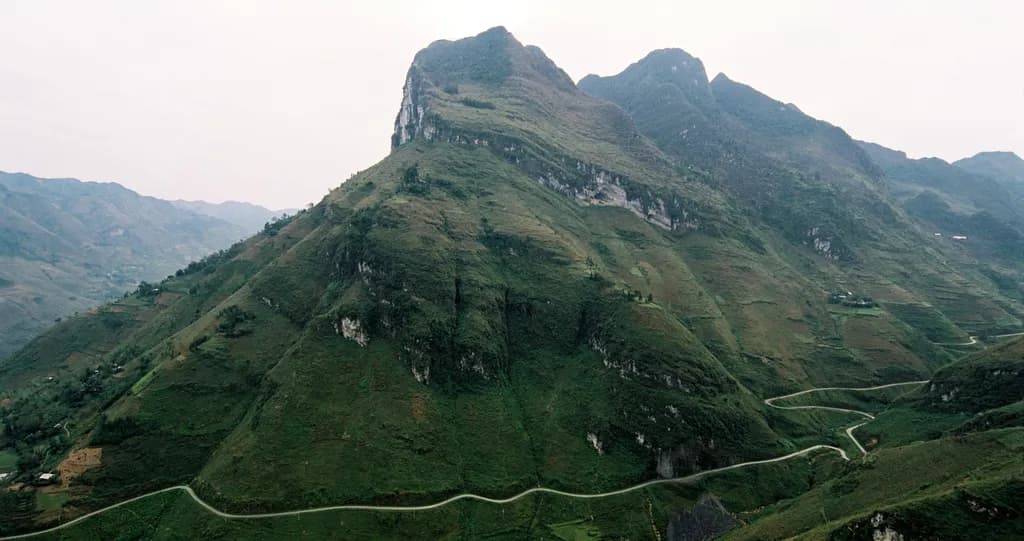
The Ha Giang Loop in Northern Vietnam is an adventurer's paradise, offering some of the most spectacular mountain scenery in Southeast Asia. This multi-day motorbike journey takes you through dramatic karst landscapes, terraced rice paddies, and remote ethnic minority villages. To make the most of your trip, careful planning is key. This comprehensive guide will help you navigate the essentials for an unforgettable experience.
Best Times to Visit Ha Giang Loop
The 'best' time to visit Ha Giang Loop depends on your priorities and what kind of scenery you wish to witness. Generally, the weather is pleasant for motorbiking throughout the year, but some periods offer distinct advantages:
- September to November (Autumn): This is widely considered the peak season. The weather is dry and cool, with clear skies offering stunning panoramic views. The rice terraces are a vibrant golden hue, ready for harvest, creating an incredibly picturesque landscape. This is also a great time for trekking.
- March to May (Spring): Another excellent period with pleasant temperatures and sunny days. The landscape is lush and green, with blooming flowers adding to the beauty. It's a good alternative to autumn if you prefer vibrant greenery over golden fields.
- December to February (Winter): While colder, especially at higher altitudes, this period offers a unique charm. The air is crisp, and you might experience fog rolling through the valleys, adding a mystical atmosphere. This is also a less crowded time, offering a more intimate experience. However, be prepared for chilly winds.
- June to August (Summer): This is the rainy season. Expect frequent downpours, which can make roads slippery and reduce visibility, posing challenges for motorbiking. However, the rain also brings life to the landscape, with lush greenery and full rivers. If you don't mind occasional rain and are looking for a more budget-friendly trip, this might still be an option.
Top Attractions and Hidden Gems
The Ha Giang Loop is dotted with incredible sights. While some are famous, don't miss the quieter, less-trodden paths:
- Dong Van Karst Plateau Geopark: A UNESCO Global Geopark, this area is the heart of the loop, boasting stunning rock formations, deep canyons, and unique geological features.
- Ma Pi Leng Pass: Often hailed as the 'King of Passes' in Vietnam, this breathtaking stretch offers unparalleled views of the Nho Que River winding through the valley below. Stop at the viewpoint for unforgettable photos.
- Lung Cu Flag Tower: Marking Vietnam's northernmost point, this tower offers panoramic views of the surrounding countryside and, on a clear day, into China. It's a significant cultural landmark.
- Hmong King's Palace (Vuong Family Palace): A fascinating historical site showcasing the opulent lifestyle of a powerful Hmong king in the early 20th century. Its unique architecture is a blend of Chinese, French, and Hmong styles.
- Dong Van Old Town: Wander through this charming ancient town with its well-preserved traditional houses, offering a glimpse into local life and culture.
- Nho Que River Cruise: Take a boat trip on the emerald green Nho Que River for a different perspective of the dramatic canyons.
- Sapa: While not directly on the loop, many travelers combine a trip to Ha Giang with Sapa, another stunning mountainous region known for its rice terraces and ethnic minority cultures.
- Ban Gioc Waterfall: If you have extra time, consider a detour to the majestic Ban Gioc Waterfall near the Chinese border.
Local Culture and Customs
Ha Giang is home to numerous ethnic minority groups, including the Hmong, Tay, Dao, and Lo Lo people. Respect their traditions and customs:
- Dress Modestly: Especially when visiting villages or religious sites.
- Ask Before Photographing: Always seek permission before taking photos of people, particularly children or during local ceremonies.
- Be Mindful of Your Voice: Keep your voice down when passing through villages.
- Learn Basic Greetings: A simple 'Xin chào' (hello) or 'Cảm ơn' (thank you) in Vietnamese goes a long way.
- Be Open to Hospitality: You may be invited for tea or a meal; accepting is a sign of respect.
Budget Tips and Cost Estimates
The Ha Giang Loop can be an affordable adventure. Here's a breakdown of typical costs:
🏨 Where to Stay in Ha Giang Loop Vietnam
Compare prices and read reviews for the best hotels in Ha Giang Loop Vietnam.
Search Hotels on Booking.com →- Accommodation: Homestays are the most budget-friendly option, costing around $8-$15 USD per night. Guesthouses and basic hotels can range from $15-$30 USD.
- Motorbike Rental: Expect to pay $6-$12 USD per day for a semi-automatic or manual bike. Ensure it's in good condition.
- Fuel: Budget around $5-$10 USD per day for fuel, depending on the distance and your bike's efficiency.
- Food: Eating at local eateries and street food stalls is very affordable, around $3-$7 USD per meal.
- Entrance Fees: Most attractions have nominal entrance fees, typically $1-$5 USD.
- Tour Guides/Drivers: If you opt for an organized tour or hire a driver, prices vary but can range from $40-$70 USD per day for a private tour.
Estimated Total Budget (per person, excluding flights): For a 3-4 day loop, a budget traveler can expect to spend approximately $100-$200 USD. Mid-range travelers might spend $200-$350 USD. For a comfortable tour with a driver, budget $300-$500 USD.
Transportation Options
The most popular way to experience the Ha Giang Loop is by motorbike:
- Self-Riding (Motorbike): For experienced riders, this offers the ultimate freedom. Rent a motorbike in Ha Giang city. Ensure you have an International Driving Permit (IDP) and travel insurance that covers riding.
- Easy Rider (Hired Driver): This is the safest and most popular option for those who aren't confident riders or want to focus on the scenery. You'll be paired with a local guide who drives you on their motorbike.
- Private Car/Taxi: While possible, this offers a less immersive experience and can be expensive. It's a good option for groups or those with mobility concerns.
To get to Ha Giang city from Hanoi, you can take an overnight sleeper bus (highly recommended for comfort and saving on accommodation) or a limousine van. Consider booking your transport to Hanoi well in advance.
Where to Stay Recommendations
Accommodation options are varied, catering to different budgets and preferences:
- Homestays: The best way to experience local culture. Many are run by ethnic minority families, offering simple but comfortable rooms and delicious home-cooked meals.
- Guesthouses and Hotels: Available in larger towns like Dong Van and Meo Vac, offering more privacy and amenities.
- Boutique Stays: Emerging options in certain areas offer a more luxurious experience amidst the natural beauty.
Booking in advance is recommended during peak seasons, especially if you have specific requirements.
🎟️ Tours & Activities in Ha Giang Loop Vietnam
Skip the line at top attractions. Book tours, activities, and experiences ahead of time.
Browse Tours & Activities →Local Food and Dining
Ha Giang's cuisine is hearty and flavorful, reflecting the local ingredients and ethnic traditions:
- Thang Co: A traditional Hmong stew, often made with horse meat and organs, seasoned with local herbs. It's an acquired taste but a true local delicacy.
- Men Men: Steamed cornmeal, a staple food in the region.
- Au Tau Porridge (Cháo Ấu Tẩu): A medicinal porridge known for its slightly bitter taste and reputed health benefits.
- Sticky Rice: Often colored with natural dyes, a common accompaniment to meals.
- Local Vegetables and Fruits: Enjoy fresh, seasonal produce from the mountain gardens.
Don't shy away from trying dishes at local markets and small roadside eateries for an authentic culinary experience. For more general Vietnamese cuisine, explore options in larger cities like Ho Chi Minh City or Da Nang.
Safety Tips and Practical Advice
Safety should be your top priority when exploring the Ha Giang Loop:
- Motorbike Safety: If self-riding, wear a helmet at all times, drive defensively, and be aware of road conditions, especially during the rainy season. Ensure your motorbike is well-maintained.
- Weather Preparedness: Pack layers of clothing, including rain gear, even in the dry season, as mountain weather can change quickly.
- Travel Insurance: Ensure your policy covers motorbike riding and any adventure activities.
- Stay Hydrated: Drink plenty of water, especially when trekking or riding.
- Communicate: Learn a few basic Vietnamese phrases or have a translation app handy. English is not widely spoken in remote areas.
- Respect Local Culture: As mentioned earlier, be mindful of customs and traditions.
- Emergency Contacts: Keep a list of important phone numbers, including your embassy and local emergency services.
- Cash: While some guesthouses may accept cards, it's best to carry enough cash for smaller towns and markets.
The Ha Giang Loop offers an unparalleled journey through some of Vietnam's most breathtaking landscapes and vibrant cultures. With careful planning and an adventurous spirit, your trip will be an unforgettable experience!