Southeast Asia
Langkawi: Your Ultimate Guide to the Best Times to Visit
Discover the best time to visit Langkawi, Malaysia! Explore this duty-free paradise with our insider guide to weather, attractions, culture, and more.
Read More →
Discover the optimal time to experience Singapore's vibrant culture, delicious food, and stunning sights. Our guide breaks down weather, crowds, and costs month by month.
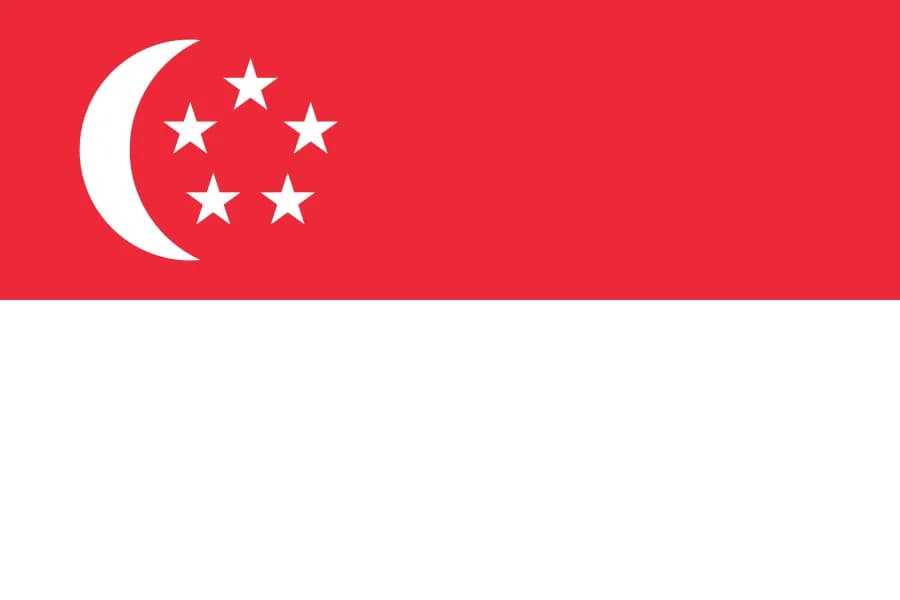
corrections by [[User:Growing mycelium]]: adjust radius of star circle

Get detailed weather data, best times to visit, and local insights on our comprehensive destination guide.
View Singapore Guide →🌟 Planning your next adventure?
Find the best deals on flights, hotels, and travel packages at Trip.com.
Singapore is one of Southeast Asia's most vibrant city-states, offering world-class dining, stunning architecture, lush gardens, and a melting pot of cultures. Because Singapore sits just one degree north of the equator, you'll experience a tropical climate year-round with consistently warm temperatures, high humidity, and frequent rainfall. There is no dramatic shift between seasons here, but subtle differences in rainfall patterns, festival calendars, and crowd levels can make a real difference in the quality of your trip.
Understanding these nuances will help you plan the perfect visit. Whether you're chasing the best weather windows, hoping to experience iconic cultural festivals, or simply looking to avoid the heaviest rains and biggest crowds, this month-by-month guide will help you choose the best time to visit Singapore for your travel style and priorities.
| Factor | Best Months |
|---|---|
| Best Weather | February – April |
| Lowest Rainfall | February, March |
| Festivals & Events | January – February, July – August |
| Budget Travel | May – June |
| Worst Weather | November – January (monsoon) |
January falls in the heart of the northeast monsoon season, making it one of Singapore's wettest months. You can expect average temperatures between 24°C and 30°C (75°F to 86°F), with humidity levels often exceeding 85%. Rainfall averages around 13 to 17 rain days for the month, and downpours can be sudden and heavy, though they rarely last all day. Despite the wet weather, January is an exciting time to visit because of Chinese New Year preparations. Chinatown comes alive with elaborate decorations, night markets, and festive performances. Hotel prices tend to climb during the Chinese New Year period, so you'll want to book accommodation well in advance if your trip overlaps with the holiday.
February marks the beginning of the drier inter-monsoon period, and rainfall drops noticeably compared to the preceding months. Average temperatures range from 24°C to 31°C (75°F to 88°F), and you can expect around 8 to 11 rain days. Humidity remains high at 80% to 85%, but the reduced rainfall makes outdoor sightseeing much more comfortable. If Chinese New Year falls in February, you'll still catch the tail end of celebrations, including the spectacular Chingay Parade with its elaborate floats and multicultural performances. Crowds thin out after the festival ends, making late February one of the most pleasant windows for exploring the city. This is widely considered one of the best months to visit Singapore overall.
March is another excellent month to visit, offering some of the lowest rainfall totals of the year at roughly 8 to 13 rain days. Temperatures hover between 25°C and 32°C (77°F to 90°F), and while humidity stays in the 80% to 84% range, the drier conditions make it easier to enjoy outdoor attractions like Gardens by the Bay, Sentosa Island, and the Southern Ridges walking trail. The inter-monsoon period means lighter winds and calmer weather overall. Tourist crowds are moderate, and you'll find reasonable hotel rates compared to peak holiday periods. March is an ideal time for walking tours, hawker center hopping, and spending long afternoons exploring neighborhoods like Kampong Glam and Tiong Bahru without frequent rain interruptions.
April sits at the transition between the drier inter-monsoon period and the approach of the southwest monsoon. Average temperatures climb slightly to between 25°C and 32°C (77°F to 90°F), and rainfall begins to increase with around 11 to 15 rain days. Humidity can push above 85%, and afternoon thunderstorms become more common. Despite the uptick in rain, April remains a solid month for visiting Singapore. You may encounter the tail end of the World Gourmet Summit, a prestigious culinary event that draws food lovers from around the globe. The combination of manageable weather, moderate tourist numbers, and competitive hotel pricing makes April a smart choice for budget-conscious travelers who still want pleasant conditions.
May brings the onset of the southwest monsoon, though its effects are milder than the northeast monsoon experienced from November to January. Temperatures range from 25°C to 32°C (77°F to 90°F), with about 12 to 15 rain days and humidity levels consistently above 84%. Rain showers tend to arrive in short, intense bursts during the afternoon, so planning outdoor activities for the morning hours is a wise strategy. May is considered a shoulder season for tourism, which means you'll benefit from lower hotel rates and thinner crowds at popular attractions like Marina Bay Sands, the ArtScience Museum, and Singapore Zoo. Vesak Day, celebrating the birth of Buddha, typically falls in May and brings beautiful ceremonies to Buddhist temples across the island.
🏨 Where to Stay in Singapore
Compare prices and read reviews for the best hotels in Singapore.
Search Hotels on Booking.com →June is one of Singapore's hottest months, with temperatures frequently reaching 32°C to 33°C (90°F to 91°F) and lows around 25°C (77°F). Rainfall averages about 11 to 13 rain days, and the southwest monsoon continues to bring periodic afternoon storms. Humidity hovers around 83% to 84%. June marks the beginning of school holidays in Singapore, so local attractions, theme parks on Sentosa, and family-friendly venues like the S.E.A. Aquarium see increased domestic visitor traffic. The Great Singapore Sale traditionally kicks off around this time, offering significant discounts at shopping malls and boutiques across the city. If you can handle the heat, June offers a good mix of deals and activities, but you'll want to stay hydrated and seek air-conditioned refuges during peak afternoon hours.
July continues the hot and relatively dry pattern of the southwest monsoon season. Average temperatures range from 25°C to 31°C (77°F to 88°F), with around 11 to 13 rain days and humidity at approximately 84%. The Singapore Food Festival typically takes place in July, celebrating the city-state's legendary hawker culture and multicultural cuisine with special events, tastings, and chef collaborations. National Day rehearsals also begin in July, and you may catch impressive fireworks displays and military flyovers near the Marina Bay area during weekend preview shows. Hotel prices remain moderate outside of specific event weekends. July is an excellent month for food-focused travelers who want to dive deep into Singapore's culinary scene.
August is one of the most exciting months to be in Singapore thanks to National Day on August 9, which commemorates the country's independence with a massive parade, aerial displays, fireworks, and nationwide celebrations. Temperatures range from 25°C to 31°C (77°F to 88°F), and rainfall averages about 12 to 14 days. Humidity stays near 84%. The festive atmosphere is infectious, with red and white decorations adorning buildings across the island. Expect higher hotel demand around National Day weekend, so booking early is recommended. The Hungry Ghost Festival also falls around this period on the lunar calendar, and you'll see temporary stages set up in neighborhoods for traditional Chinese opera performances and other rituals. August offers a unique cultural window into Singaporean identity and pride.
September marks the tail end of the southwest monsoon and the beginning of the inter-monsoon transition. Temperatures remain between 25°C and 31°C (77°F to 88°F), but haze from agricultural burning in neighboring Indonesia can sometimes affect air quality during this month. Rainfall averages around 12 to 14 rain days, and humidity stays in the 83% to 84% range. The Singapore Grand Prix, the country's iconic Formula 1 night race, traditionally takes place in September and transforms the Marina Bay area into a thrilling motorsport venue. Hotels near the circuit sell out months in advance, and prices spike significantly during race weekend. If you're not attending the Grand Prix, you may actually prefer to avoid this specific weekend due to road closures and inflated prices. Outside of race week, September is a pleasant and relatively uncrowded time to visit.
October is an inter-monsoon month, which means weather can be unpredictable with sudden thunderstorms and humid conditions. Average temperatures range from 25°C to 31°C (77°F to 88°F), and rainfall increases to around 14 to 16 rain days as the wetter season approaches. Humidity can push above 84%. Despite the increased rain risk, October offers a quieter tourism landscape with fewer international visitors and more availability at top restaurants and hotels. The Mid-Autumn Festival brings beautiful lantern displays to Chinatown and Gardens by the Bay, creating a magical evening atmosphere. You'll also find mooncakes at bakeries and hawker stalls throughout the city. October is a solid choice if you prefer a more relaxed pace and don't mind carrying an umbrella.
November signals the return of the northeast monsoon, bringing significantly wetter conditions. Rainfall jumps to around 15 to 19 rain days, and monthly totals can exceed 250mm. Temperatures range from 24°C to 31°C (75°F to 88°F), with humidity climbing above 85%. Morning rain is common, and prolonged wet spells can last several hours. However, November also brings Deepavali (Diwali), the Hindu Festival of Lights, which transforms Little India into a dazzling spectacle of illuminated streets, colorful decorations, and bustling night markets. The festive energy is remarkable, and the cultural experience alone can make a November visit worthwhile. Hotel prices generally remain moderate, and you'll find fewer tourists competing for space at popular attractions.
🎟️ Tours & Activities in Singapore
Skip the line at top attractions. Book tours, activities, and experiences ahead of time.
Browse Tours & Activities →December is Singapore's wettest month, with an average of 16 to 19 rain days and monthly rainfall often exceeding 280mm. Temperatures cool slightly to between 24°C and 30°C (75°F to 86°F), which is as "cool" as tropical Singapore gets. Humidity remains above 85%. Despite the rain, December is one of the most festive and popular months to visit. The famous Christmas light-up on Orchard Road draws millions of visitors with its spectacular holiday displays stretching over two kilometers. New Year's Eve celebrations at Marina Bay feature massive fireworks shows and countdown events. Hotel prices rise sharply during the Christmas and New Year period, and you'll need to book well in advance. Expect large crowds at shopping malls, tourist attractions, and restaurants throughout the month.
The best time to visit Singapore is from February to April, when rainfall is at its lowest, temperatures are warm but not at their peak, and the city is slightly less crowded than during major holiday periods. You'll enjoy comfortable conditions for exploring outdoor attractions, shorter queues at popular sites, and reasonable accommodation prices. This window gives you the best overall balance of weather, value, and experience. That said, Singapore is genuinely a year-round destination, and each month offers its own unique appeal depending on what you prioritize.
If heavy rain dampens your travel plans, you'll want to avoid the November to January northeast monsoon period, when prolonged downpours and grey skies are most common. Be aware that the September Formula 1 Grand Prix weekend causes significant hotel price surges and road closures around Marina Bay. The December holiday season brings the highest hotel rates of the year along with large crowds at every major attraction. Additionally, the September to October haze season caused by regional agricultural burning can sometimes reduce air quality and visibility, which is particularly frustrating if you've planned outdoor activities or scenic viewpoints. Checking the Pollutant Standards Index (PSI) readings before your trip can help you prepare.
Singapore's multicultural identity means there is almost always a festival or major event happening. Here are the key annual events organized by month to help you plan around them:
Regardless of when you visit, pack lightweight, breathable clothing made from moisture-wicking fabrics. Cotton and linen work well for casual sightseeing. You'll want a compact umbrella or a light rain jacket at all times since rain can arrive without warning in any month. Comfortable walking shoes with good grip are essential, as some sidewalks and hawker center floors can be slippery when wet. Sunglasses, sunscreen with SPF 50+, and a refillable water bottle should also be in your day bag. If you plan to visit upscale restaurants or rooftop bars, bring at least one smart-casual outfit, as some establishments enforce dress codes.
Singapore's combination of heat and high humidity can be physically draining, especially if you're not accustomed to tropical climates. Schedule your most active outdoor sightseeing for the morning hours between 8am and 11am, when temperatures are slightly cooler. Take advantage of Singapore's extensive network of air-conditioned shopping malls, museums, and MRT stations to cool down during the hottest part of the day (12pm to 3pm). Drink water frequently, even if you don't feel thirsty. Many travelers underestimate how quickly they can become dehydrated in this climate. Hawker centers serve affordable fresh coconut water and sugarcane juice, both excellent for rehydration.
You should book hotels at least two to three months ahead if you're visiting during Chinese New Year (January or February), National Day week (early August), the Formula 1 Grand Prix weekend (September), or the Christmas and New Year holiday period (late December). During these peak times, popular hotels near Marina Bay, Orchard Road, and Chinatown fill up quickly, and prices can be 30% to 50% higher than normal. For visits during the shoulder months of May, June, and October, you'll have more flexibility and can often find competitive last-
Compare prices, read reviews, and book the best hotels in Singapore on Booking.com.
Search Hotels on Booking.com →Planning your singapore adventure? Enhance it with a customizable private tour guide via GoWithGuide—perfect for exploring beyond the city.
Get travel timing tips and destination guides delivered to your inbox.
Get the best travel timing tips delivered to your inbox:
💡 Travel Tip: To make planning simple, you can search flights, hotels, and packages all in one place on Trip.com.
Discover the best time to visit Langkawi, Malaysia! Explore this duty-free paradise with our insider guide to weather, attractions, culture, and more.
Read More →Discover the perfect season to explore Vietnam's diverse landscapes, from bustling cities to serene beaches. Plan your unforgettable trip!
Read More →Discover the ideal times to explore Sweden's stunning Stockholm Archipelago, from summer idylls to cozy winter retreats. Plan your perfect island escape!
Read More →