Europe
Europe's Top Destinations: Best Times to Visit
Discover the best months to visit Europe's most iconic cities for history, culture, and unforgettable experiences. Plan your dream European adventure now!
Read More →
Discover the ideal time to explore Arches National Park. Get insider tips on weather, crowds, and the best seasons for unforgettable adventures.
Get detailed weather data, best times to visit, and local insights on our comprehensive destination guide.
View Arches National Park, USA Guide →🌟 Planning your next adventure?
Find the best deals on flights, hotels, and travel packages at Trip.com.
Arches National Park, a geological wonderland in southeastern Utah, beckons with its surreal landscapes of towering sandstone fins, natural bridges, and balanced rocks. Planning your visit to this iconic park requires understanding its unique climate and seasonal offerings. At BestTimesToVisit.com, we've compiled everything you need to know to make your Arches adventure truly unforgettable.
The best time to visit Arches National Park largely depends on your tolerance for heat, cold, and crowds. Each season offers a distinct experience:
Pros: Spring offers pleasant temperatures, averaging between 50°F and 80°F (10°C to 27°C). Wildflowers often bloom, adding a splash of color to the red rock. Crowds are moderate, making it a popular choice. It's a fantastic time to explore if you're also considering a visit to nearby Zion National Park or the breathtaking Bryce Canyon National Park.
Cons: While generally good, late spring can see occasional dust storms and increasingly warmer days.
Pros: Long daylight hours allow for extended exploration. The park is vibrant and buzzing with activity.
Cons: Summer is Arches' peak season, meaning significant crowds and very high temperatures, often exceeding 100°F (38°C). Early morning or late evening visits are crucial for comfort and to avoid heatstroke. Hydration is paramount.
Pros: Autumn boasts ideal weather, with daytime temperatures typically ranging from 60°F to 80°F (15°C to 27°C). The fall foliage, though subtle, can be beautiful. Crowds begin to thin out, offering a more serene experience. This is an excellent period to visit before the winter chill sets in, similar to the shoulder seasons in places like Grand Canyon National Park.
Cons: Nights can get chilly, dropping into the 40s°F (around 4°C).
🏨 Where to Stay in Arches National Park Usa
Compare prices and read reviews for the best hotels in Arches National Park Usa.
Search Hotels on Booking.com →Pros: Winter offers the fewest crowds and a dramatic, snow-dusted landscape. Temperatures range from 30°F to 50°F (-1°C to 10°C). The silence and solitude can be magical.
Cons: Days are short, and some park roads or trails might be temporarily closed due to snow or ice. The cold can be biting, especially with wind.
Arches is renowned for its natural sculptures. Here are the must-sees:
While Arches is primarily a natural attraction, the surrounding region, including Moab, Utah, embraces an outdoor adventure culture. Visitors are expected to respect Leave No Trace principles, pack out everything they pack in, and be mindful of the desert environment. The local indigenous tribes have a deep historical connection to this land, and it's important to visit with respect and awareness.
Arches National Park has an entrance fee per vehicle (valid for 7 days). Consider purchasing an America the Beautiful Pass if you plan to visit multiple national parks throughout the year, especially if you're on a multi-state road trip that might include places like Yellowstone National Park.
Estimated Costs (per person, per day, excluding accommodation):
Camping within the park is limited and requires reservations well in advance. Budget-friendly accommodation can be found in nearby Moab, with options ranging from budget motels to RV parks.
The most convenient way to explore Arches National Park is by car. Moab is approximately a 10-minute drive from the park entrance.
🎟️ Tours & Activities in Arches National Park Usa
Skip the line at top attractions. Book tours, activities, and experiences ahead of time.
Browse Tours & Activities →Within the park:
The nearest major airport is Canyonlands Field Airport (CNY) in Moab, with limited commercial flights. Salt Lake City International Airport (SLC) is a 3.5-4 hour drive away and offers a wider range of flight options.
In Arches National Park:
Near Arches National Park (Moab, UT):
Moab offers a surprisingly diverse culinary scene for a small town:
Arches is a desert environment, and safety is paramount:
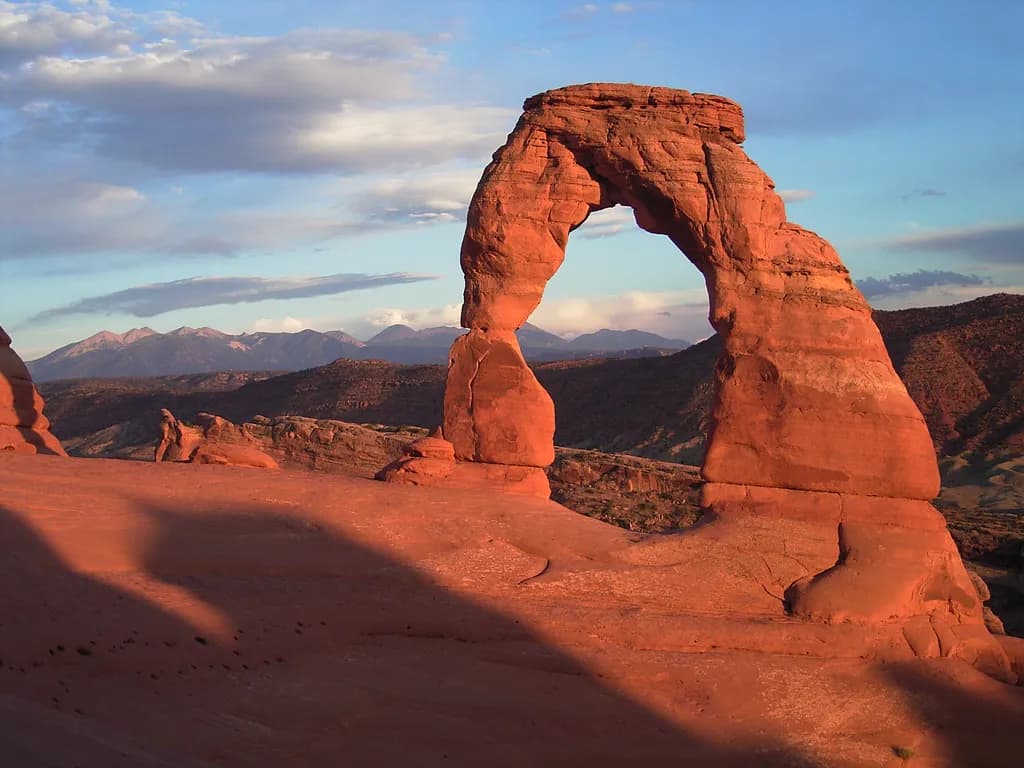
By planning your visit strategically, you can experience the magic of Arches National Park at its finest. Whether you're captivated by the iconic Delicate Arch or seeking the solitude of a hidden fin, Arches promises an adventure that will stay with you long after you leave.
Compare prices, read reviews, and book the best hotels in Arches National Park Usa on Booking.com.
Search Hotels on Booking.com →Planning your arches national park usa adventure? Enhance it with a customizable private tour guide via GoWithGuide—perfect for exploring beyond the city.
Get travel timing tips and destination guides delivered to your inbox.
Get the best travel timing tips delivered to your inbox:
💡 Travel Tip: To make planning simple, you can search flights, hotels, and packages all in one place on Trip.com.
Discover the best months to visit Europe's most iconic cities for history, culture, and unforgettable experiences. Plan your dream European adventure now!
Read More →Discover the ideal times to experience Shanghai's vibrant culture, stunning skyline, and delicious cuisine. Our month-by-month guide helps you plan your perfect trip.
Read More →Discover the top North American destinations for an unforgettable adventure. From vibrant cities to breathtaking national parks, plan your perfect trip!
Read More →